 |
|

|
|
||||||||||||||||||
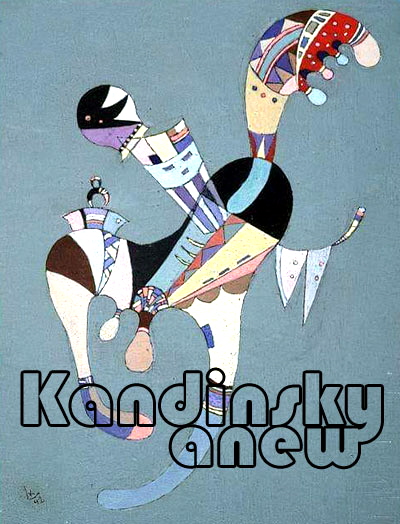

|
|
|
Iranian Theatre and Kandinsky:
|
|
|
|
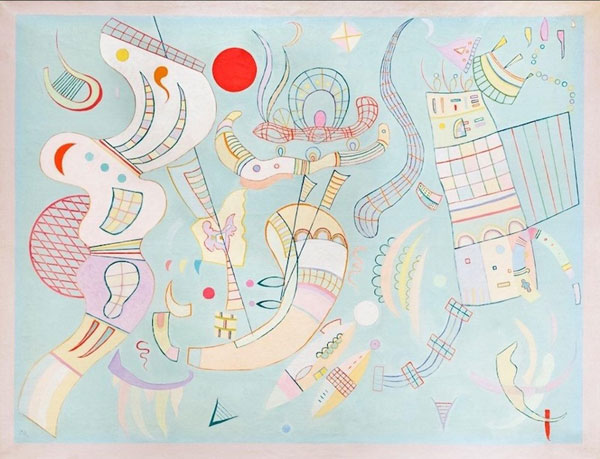
Wassily Kandinsky (December 16, 1866–December 13, 1944), a Russian-born painter and theorist who later worked in Germany and France, is recognized as one of the pioneers of abstract art. His presence in Iran began not on the stage but through a painting. In the mid-1970s, his 1937 work Tensions claires was acquired for the international collection of the Tehran Museum of Contemporary Art. Long before Iranian theatre-makers began referring to Kandinsky’s ideas, one of his important late paintings had already entered a major Iranian collection.
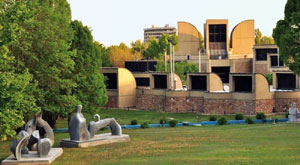
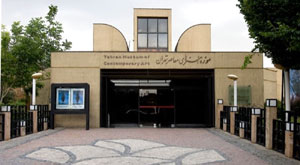
Wassily Kandinsky, Tensions claires, 1937, oil on canvas. Collection of the Tehran Museum of Contemporary Art. The painting entered the collection during a period of remarkable artistic growth under Mohammad Reza Pahlavi, Iran’s last shah, who reigned from 1941 to 1979. With Empress Farah Pahlavi playing a central role as a patron of the arts, museums, galleries, universities, festivals, and international exchanges connected Iranian artists with major developments in modern art and performance. The Tehran Museum of Contemporary Art opened in 1977, bringing works by Iranian modernists such as Sohrab Sepehri, Parviz Tanavoli, and Bahman Mohassess into conversation with artists such as Kandinsky, Picasso, Pollock, Rothko, and Giacometti. After the 1979 revolution, that outward-looking cultural direction narrowed sharply. Much of the museum’s Western collection disappeared from regular public view, while art and theatre came under ideological control and censorship. Yet Iranian artists continued to translate, teach, read, and engage with the world. Kandinsky’s later appearance in Iranian theatre belongs to that continuity.
The Tehran Museum of Contemporary Art, designed by
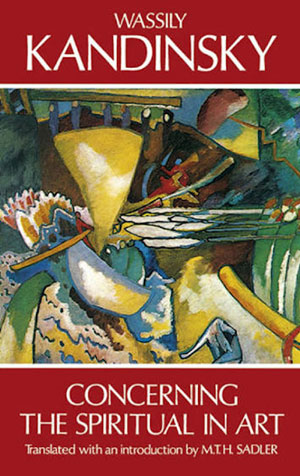
Kandinsky’s presence in Iran did not depend solely on the painting preserved in the museum collection. Persian translations of his principal theoretical writings have circulated for years. Concerning the Spiritual in Art has appeared in more than one Persian translation, while Point and Line to Plane and Kandinsky’s Lessons at the Bauhaus have also been published in Iran. The Persian edition of Kandinsky’s Lessons at the Bauhaus, published in 2012, was introduced as a supplementary academic text for graduate students in art research. These publications placed Kandinsky within Iranian art education, where his theories of color, line, form, composition, and abstraction became available to several generations of students and artists.
Cover of Wassily Kandinsky’s
His reception also extends beyond books. At the time of
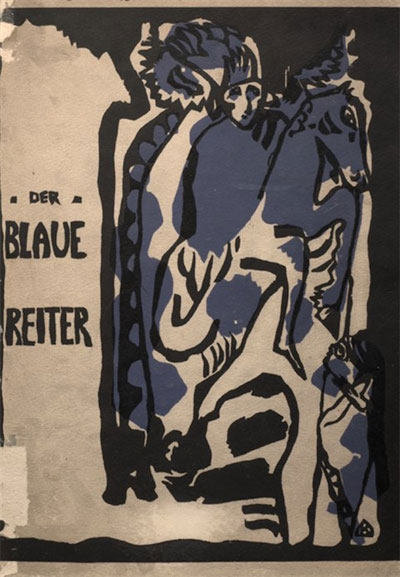
Kandinsky’s relevance to theatre begins with his belief that painting, music, movement, and performance should not remain separated from one another. He did not regard color as a decorative addition to a recognizable image. Color possessed its own energy and emotional force. Lines could create direction, conflict, speed, or stillness. Musical rhythm could find a visual equivalent, while forms and colors could appear to move even when fixed on a canvas. Theatre offered him a way to release these elements from the still image and organize them through time. His most important theatrical experiment was The Yellow Sound, conceived around 1909 and published in The Blue Rider Almanac in 1912. The work combines music, colored light, human movement, speech, and abstract forms without depending on a conventional plot. It includes pantomime, an instrumental ensemble, a soprano, a choir, and changing fields of color. Figures appear and disappear, colors shift, and sounds interrupt or answer movements. Instead of using scenery to illustrate a story, Kandinsky allowed each theatrical element to act as an independent force within the composition.
Cover of The Blue Rider Almanac (Der Blaue Reiter),
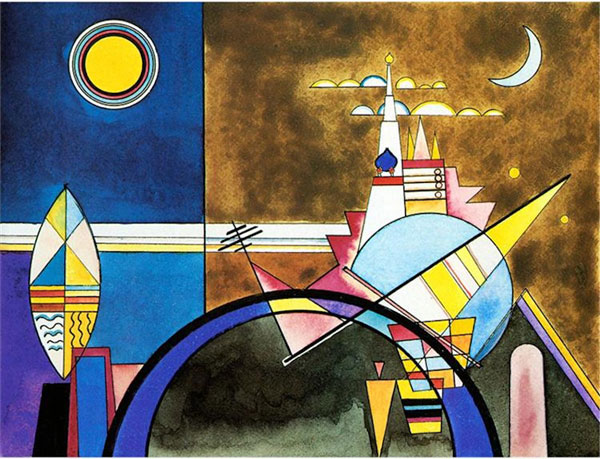
The same approach appeared in a different form in his 1928 staging of Modest Mussorgsky’s Pictures at an Exhibition at the Friedrich-Theater in Dessau. Kandinsky designed a sequence of changing visual compositions using light, geometric forms, moving scenery, and color. He did not attempt to illustrate Mussorgsky’s music literally. The stage images responded to its rhythm and structure, creating a visual performance that developed alongside the score.
Wassily Kandinsky, “The Great Gate of Kiev”, 1928, preparatory
stage design for Modest Mussorgsky’s Pictures at an Exhibition.
Graphite, India ink, and watercolor on paper. Collection of the
Centre Pompidou, Paris; bequest of Nina Kandinsky, 1981.
These works reveal why Kandinsky became relevant to later stage designers, even when they were not directly staging his theatrical compositions. His theatre was based on relationships rather than representation: the relationship between a line and a body, a color and a sound, a geometric form and a movement. Such ideas could be applied to many plays without turning the stage into a reproduction of one of his paintings. Persian theatre publications also made Kandinsky’s stage work more accessible. In 2010, the journal Namayesh published a Persian translation of Julia Listengarten’s “Kandinsky’s Stage Composition as a Total Work of Art.” Nasser Hosseini -Mehr—an Iranian director, designer, translator, and theatre teacher whose books and translations have introduced European experimental theatre to Persian readers—broadened that access through his 2015 book Expressionism, Dadaism, Postmodernism: Innovators of European Theatre. It included a Persian translation of The Yellow Sound under the title Yellow Resonance and later appeared in several printings. Kandinsky was consequently introduced not only as an abstract painter but as part of the history of expressionist and experimental theatre. To be continued... Further Reading
|
|
|||||||||||||||||
|
|||||||||||||||||

|
||||||||||||||||||||||||||||||||||||
|
||||||||||||||||||||||||||||||||||||

|
|||||||||||||
|
|||||||||||||

|
||||||||||||||||||||||||||||||||||||||||||||||||||||||||||||||||||||||||||||||||||||||||||||||||||||||||||||||||||||||||||||||||||||||||||||||||||||||||||||||||||||||||||||||||||||||||||||||||||||||
|
||||||||||||||||||||||||||||||||||||||||||||||||||||||||||||||||||||||||||||||||||||||||||||||||||||||||||||||||||||||||||||||||||||||||||||||||||||||||||||||||||||||||||||||||||||||||||||||||||||||


|
|
|
|